A-
A
A+
हिंदी
Social Connect :
Home
About us
In Brief
CIN of the company
Introduction
Salient Features
The Beginning
The Alignment
Land Acquisition
Construction Challenge
KR Vision, Mission & Objective
KR Map
Board of Directors
Organization Chart
Citizen Charter
CSR & Sustainability
Departments
Accounts
Investors
Commercial
Electrical
Engineering
General Administration
Personnel
Information Technology
Mechanical
Medical
Materials Management
Operating
Railway Protection Force
Safety
Signal & Telecommunication
Vigilance
Rajbhasha
Projects
Training Department
For Internal User
Public Relations
Bonds
Tenders & Bills
IREPS
Contracts
Corporate office
Karwar region
Ratnagiri Region
Guidelines For Works, Tenders And Contracts
Contractor/Supplier Bill Tracking System
List of banned vendors
KRCL Online Web Portal
Financials
Annual Accounts
Unaudited Financial Results
Review Reports
Recruitment
Current Notifications
Archives Notifications
Consolidated Instructions
Engagement on contract
Graduate Apprentice/ Technician Apprentice for training in KRCL
Technology
Geotech Safety Works
Railway Application Package
Freight Customer Info
Gati Shakti Multimodal Terminal Policy - Konkan Railway
Freight Business
Freight/Parcel/RO-RO services
Key Customer Managers
Investors
Contact Us
Official Address
GSTIN of KRCL
Contact Number
E-Mail ID’s of Executives
Land Loser Grievances Portal
Right To Information Act
RTI Website
RTI Act 2005
RTI Details In Konkan Railway
Procedure For RTI Application
Return Statement
Online Lodging of Vigilance Complaints
Feedback
Sitemap
Other Railway Websites
Passenger Info
PNR Enquiry
Seat Availablity
Current Train Position on KR
National Train Enquiry System
Train Schedule
Passenger Assistance
Public Info. Regarding Train Accident
Station Gallery
Previous
Next
Latest News:
No news found!
Freight/Parcel/RO-RO
Freight/Parcel/RO-RO Services
Tourist Info
Railotels
IRCTC
Maharashtra State Tourism
Goa State Tourism
Karnataka State Tourism
Home on Wheels
Awards
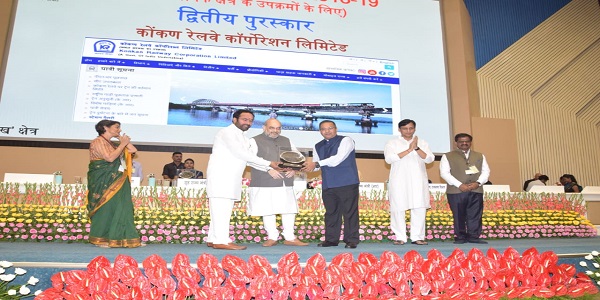
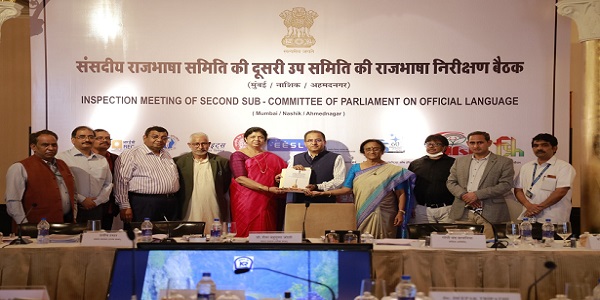
RajBhasha Keerti Award
Press Release
Running of Additional Special Trains during Summer Season - 2024
25 April, 2024
Running of Special Trains
23 April, 2024
Maintenance of assets between Karanjadi - Chiplun section
20 April, 2024
Re-Girdering works of Bridge No. 02 (Up) between Shoranur Jn - Vallthol Nagar section over Southern Railway
19 April, 2024
Cancellation of Trains to take up PQRS Block between Sanvordem - Kalem section
19 April, 2024
View All
Quick Links
Achievements By KRCL
Digital Coffee Table Book - 2023
Celebrating 25 Glorious years of Dedication to the Nation
25 years of Matsyagandha Express
Celebrating 25 Glorious years of Dedication to the Nation
Konkan Railway celebrates 25 Glorious years of Dedication to the Nation
Mobile app
KRRail
सीटी - KR Vigilance
IRCTC SBI RuPay Card
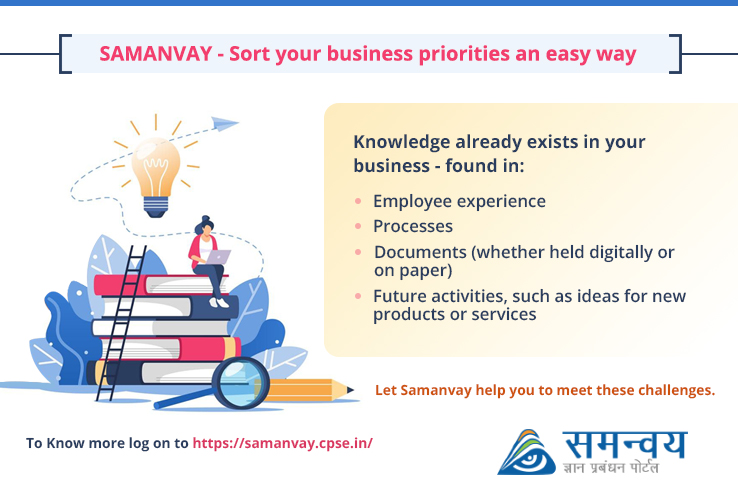
Samanvay
RORO Rates
Integrity ePledge
Information & Rules
Food Licensing & Registration System
https://www.indianrail.gov.in
Media Gallery
CPGRAMS
Feedback/Suggestions/
Complaints
RailMadad
Twitter
Tweets by KonkanRailway
Facebook

 Freight/Parcel/RO-RO Tourist Info Awards
Press Release Quick Links
Freight/Parcel/RO-RO Tourist Info Awards
Press Release Quick Links Twitter
 Facebook